Our journey begins, as many so often do, with an idea.
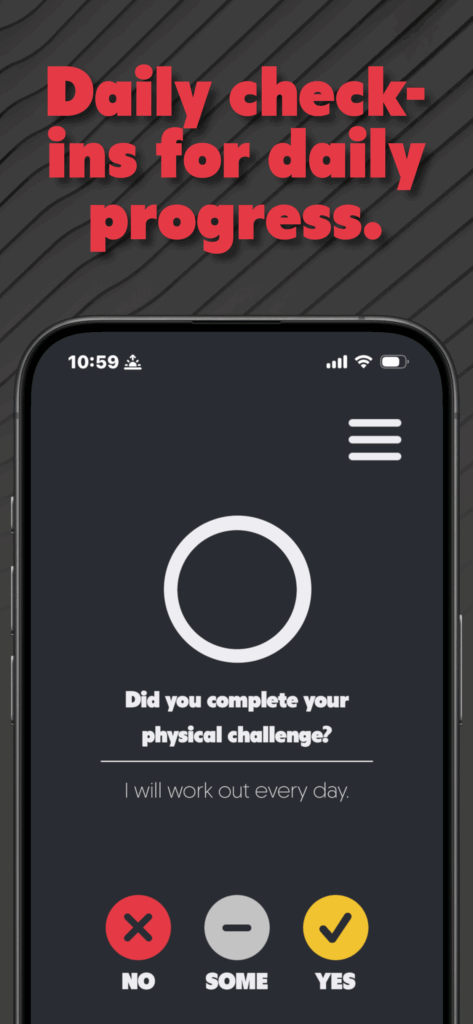
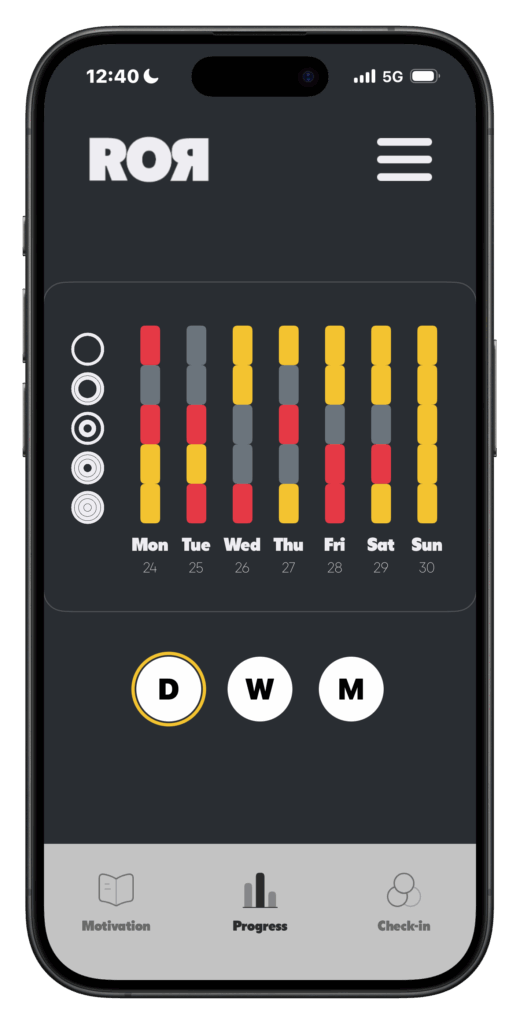
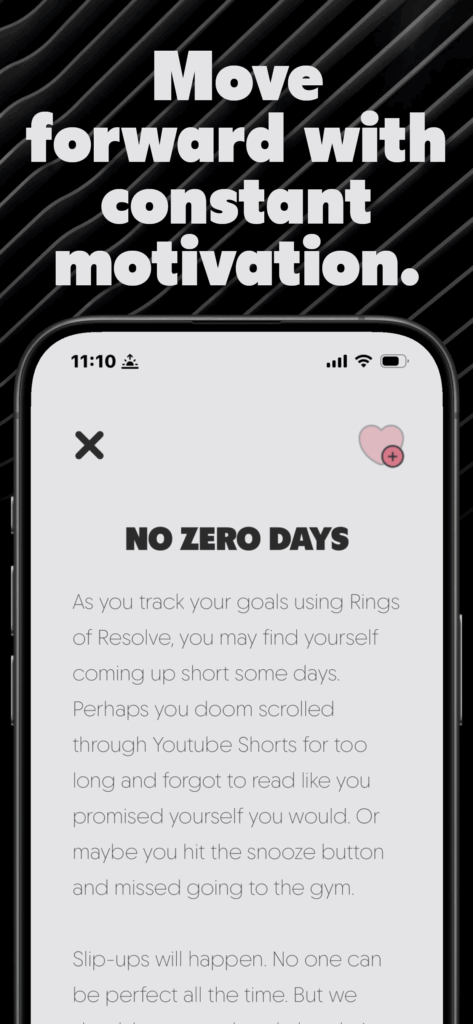
After reading Miyamoto Musashi’s Book of Five Rings, and increasing my work-out frequency, not to mention buckling down on some other projects, an idea for an app suddenly came to me. What if there were a simple app that would keep you accountable? Something without fluff that would allow you to check in at the end of each day, record how well you accomplished each of your goals, and kept track of your progress in an easy-to-understand graph?
Thus, Rings of Resolve was born.
For the next two months, I built the design system, buttons, screens, and finally a mostly functional prototype in Figma. Halfway through the design, I knew that I wanted to turn this into an actual, functional app. But how? While I had built websites before, my coding skills were limited to modifying others’ code, copying and pasting, editing here and there, and testing and retesting until caffeine gave way exhaustion. I knew my way around HTML and CSS in the way that a tourist could get around a city with a map. That is to say, I could figure things out, but without the nuance of a native.
I had avoided AI tools up to this point, both out of pride and distrust. The current state of AI isn’t nearly as advanced as people give it credit for, but I do genuinely fear what true AI could look like. But that’s a story for another day. The truth is that I heard the term ‘vibe coding,’ scoffed at first, and then cocked my head in curiosity.
I wasn’t one of those people who knew nothing about coding and would rely on AI for everything. I built my first website back when Yahoo was the king and Google was hardly a new kid on the block. As Bane would say, “You merely adopted the computer; I was born into it.”
After a bit of research, I settled on using an IDE called Windsurf, which, coupled together with Claude 4.5, would aide me in my coding journey. Screen by screen, button by button, I worked alongside Claude to bring my project to life. The actual process involved using a Figma plugin called Kombai to generate mostly usable code from each frame of the Figma project. After pasting that code into Windsurf, Claude would help me bring it closer to my vision.
Jumping from Figma to Windsurf to Xcode, my app slowly began to take its first breaths. Until finally, I was ready to upload it to the App Store. That was a whole other journey in itself, complicated in ways that made the coding seem easy at times. But as I fought through the submission process, I also worked on the landing page for the app. Between designing assets to show off the app—both on the landing page and on the app store product page—the finish line neared.
And now, as I break through to the other side, legs shaking and breath ragged, I present to you the fruits of my labor.
First, I encourage you to visit the landing page.
Afterwards, if you are an Apple user, check out ROR on the app store.
And if you have time after, and feel so inclined, drop me a line. Let me know if you have any projects or positions you think might align with my own work. I’d love to hear from you.